Key points
- Below 5.7% is normal, 5.7–6.4% is prediabetes, and 6.5% or above is in the diabetes range for adults who are not pregnant.
- HbA1c converts to an average blood sugar: 7% is about 154 mg/dL.
- For many adults with diabetes, the target is below 7%, but your doctor sets yours.
- Anaemia, thalassaemia trait, kidney disease and pregnancy can make the result misleading.
HbA1c is one of several tests covered in our guide to blood sugar tests and targets. It is the test most doctors in India use both to diagnose diabetes and to check how well treatment is working over time.
What HbA1c measures
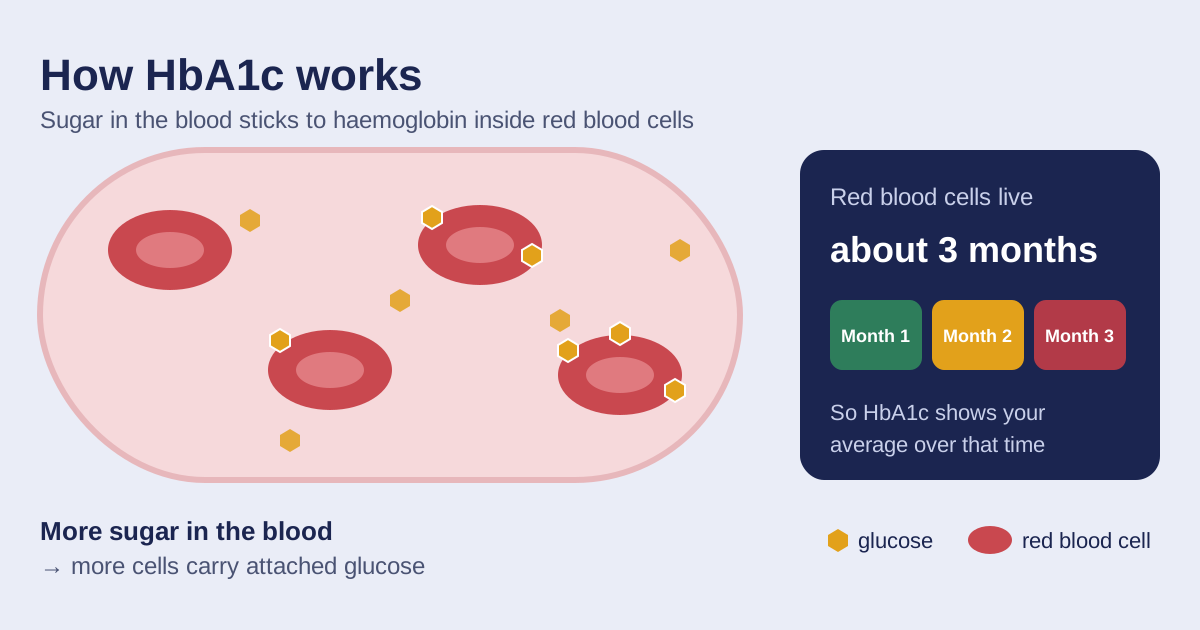
Haemoglobin is the protein in red blood cells that carries oxygen. When sugar is in your blood, some of it sticks to haemoglobin and stays attached for the life of the cell, which is about three months. HbA1c is the percentage of haemoglobin that has sugar attached. The higher your average sugar, the higher the percentage.
Because it reflects weeks rather than one moment, HbA1c does not jump after a single sweet or a festival meal. It also means you do not need to fast for the test.
What your number means
These ranges come from the American Diabetes Association Standards of Care 2026 and are used by most Indian doctors and labs. They apply to adults who are not pregnant.
| HbA1c (%) | HbA1c (mmol/mol) | What it means |
|---|---|---|
| Below 5.7 | Below 39 | Normal range |
| 5.7 to 6.4 | 39 to 47 | Prediabetes: higher risk of diabetes and heart disease |
| 6.5 or higher | 48 or higher | Diabetes range: usually confirmed with a repeat test |
A single result in the diabetes range is normally repeated, or checked with a fasting glucose, before your doctor confirms a diagnosis. The exception is when you already have clear symptoms and a very high sugar reading.
HbA1c and your average blood sugar
Many Indian lab reports print an "estimated average glucose" (eAG) next to HbA1c. It comes from a study that matched HbA1c to thousands of glucose readings, and is calculated as 28.7 × HbA1c − 46.7. It helps you compare HbA1c with the mg/dL numbers on your glucometer.
Convert your HbA1c
In the diabetes range. Ranges for adults who are not pregnant; this tool does not diagnose.
| HbA1c (%) | Average glucose (mg/dL) | HbA1c (mmol/mol) |
|---|---|---|
| 5.0 | 97 | 31 |
| 5.7 | 117 | 39 |
| 6.5 | 140 | 48 |
| 7.0 | 154 | 53 |
| 8.0 | 183 | 64 |
| 9.0 | 212 | 75 |
| 10.0 | 240 | 86 |
| 11.0 | 269 | 97 |
| 12.0 | 298 | 108 |
Targets if you have diabetes
Once you have diabetes, the question changes from "which range am I in?" to "am I at my target?". The ADA Standards of Care 2026 suggest:
- Below 7% for many adults.
- Below 6.5% for some people in good health, if it can be reached without low sugar episodes.
- Below 8% for older adults with several other illnesses, memory problems or frailty, where avoiding low sugar matters most.
Agree your own target with your doctor. Read more about fasting, post-meal and CGM targets in our guide to blood sugar targets.
When HbA1c can mislead
HbA1c depends on red blood cells living a normal lifespan. Anything that changes that, or changes haemoglobin itself, can push the result up or down. Several of these are common in India.
- Iron-deficiency anaemia can make HbA1c read falsely high.
- Recent blood loss, a transfusion or haemolysis (faster breakdown of red cells) can make it read falsely low.
- Thalassaemia trait and other haemoglobin variants can affect the result depending on the lab method.
- Advanced kidney disease and pregnancy change red cell turnover.
If any of these apply, tell your doctor. They may rely more on fasting glucose, a glucose tolerance test or CGM data instead.
How often to test
Doctors usually check HbA1c about every three months while treatment is being adjusted or if you are not yet at target, and about twice a year once you are stable at your target.
Reading your lab report
- Result in %: the number you will see most often.
- Result in mmol/mol: the international unit; some labs print both.
- eAG: estimated average glucose in mg/dL.
- Method: often HPLC. Ask whether the lab uses a certified, standardised method, especially if you have a haemoglobin variant.
- Reference range: the lab's normal range, which should match the ranges above.
When to see a doctor
- Your first HbA1c is 6.5% or higher, or in the prediabetes range.
- Your HbA1c has risen above your agreed target.
- You have strong thirst, frequent urination, unexplained weight loss or blurred vision.
- Vomiting, drowsiness or fast breathing with high sugar is an emergency. Call 112.
Questions to ask your doctor
- What HbA1c target is right for me, and why?
- Could anaemia or anything else be affecting my result?
- When should I test again?
- What should I change first if I am above target?
Frequently asked questions
Do I need to fast for an HbA1c test?
No. HbA1c reflects the past two to three months, so a meal before the test does not change it. If your doctor has ordered a fasting glucose at the same time, you will need to fast for that.
Can HbA1c be normal and fasting sugar high?
Yes. The tests measure different things, and conditions such as anaemia can shift HbA1c. Your doctor looks at both results together, and may repeat one.
Is 6.0% HbA1c dangerous?
6.0% falls in the prediabetes range. It is not diabetes, but it raises your risk. Lifestyle changes such as regular activity, weight loss if needed and a balanced diet can lower that risk; ask your doctor how often to re-test.
How quickly can HbA1c change?
Because red blood cells live for about three months, a change in diet or treatment takes around 8–12 weeks to show fully in HbA1c. That is why doctors usually re-check it every three months.
Sources
- American Diabetes Association Professional Practice Committee. 2. Diagnosis and Classification of Diabetes: Standards of Care in Diabetes—2026. Diabetes Care 2026;49(Suppl 1):S27–S49.
- American Diabetes Association Professional Practice Committee. 6. Glycemic Goals, Hypoglycemia, and Hyperglycemic Crises: Standards of Care in Diabetes—2026. Diabetes Care 2026;49(Suppl 1):S132–S149.
- American Diabetes Association Professional Practice Committee. 13. Older Adults: Standards of Care in Diabetes—2026. Diabetes Care 2026;49(Suppl 1).
- Nathan DM, et al. Translating the A1C assay into estimated average glucose values. Diabetes Care 2008;31(8):1473–1478.
- Anjana RM, et al. Metabolic non-communicable disease health report of India: the ICMR-INDIAB national cross-sectional study (ICMR-INDIAB-17). Lancet Diabetes Endocrinol 2023;11(7):474–489.
This article is general information for adults in India and is not a diagnosis or a treatment plan. Always discuss your results with your own doctor. Read our editorial policy and how we write.