In short
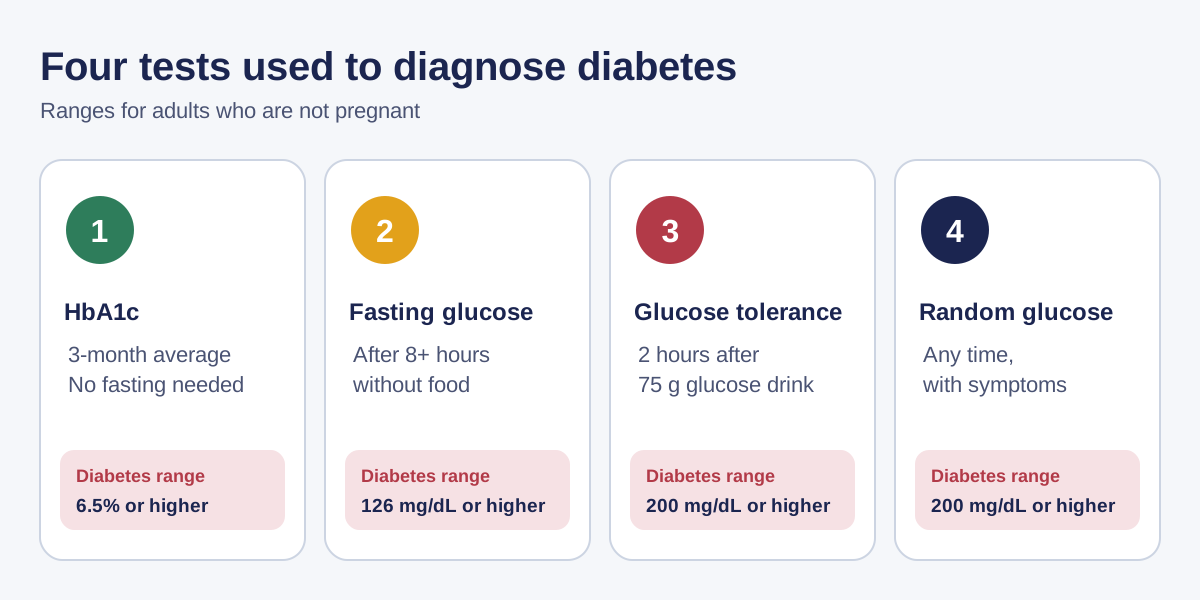
- Diabetes is diagnosed with HbA1c, fasting glucose, a glucose tolerance test, or a random glucose with symptoms.
- Ranges on this page are for adults who are not pregnant.
- Once you have diabetes, your doctor sets personal targets. For many adults the HbA1c target is below 7%.
The tests used to diagnose diabetes
Your doctor may order one or more of these. A result in the diabetes range is usually repeated before a diagnosis is confirmed, unless symptoms and a very high reading make it clear.
| Test | Normal | Prediabetes | Diabetes |
|---|---|---|---|
| HbA1c | Below 5.7% | 5.7–6.4% | 6.5% or higher |
| Fasting plasma glucose | Below 100 mg/dL | 100–125 mg/dL | 126 mg/dL or higher |
| 2-hour glucose tolerance test (75 g) | Below 140 mg/dL | 140–199 mg/dL | 200 mg/dL or higher |
| Random glucose | Not used for these ranges | 200 mg/dL or higher with classic symptoms | |
HbA1c: your three-month average
HbA1c shows how much sugar has attached to your red blood cells over roughly the past three months, so you do not need to fast for it. It is the number most doctors use to track control over time. Our HbA1c report guide explains how to read it, how it converts to average sugar in mg/dL, and when conditions common in India, such as anaemia, can make it misleading.
Fasting plasma glucose
Measured after at least 8 hours without food or drinks other than water, usually first thing in the morning. It is quick and cheap, but a single reading can vary from day to day.
Oral glucose tolerance test
You drink 75 g of glucose dissolved in water after fasting, and blood is drawn two hours later. It picks up some cases the fasting test misses and is the standard test in pregnancy.
What about post-meal sugar (PPBS)?
Many Indian labs report a sugar level about two hours after a normal meal. It is useful for tracking control, but it is not one of the standard tests for diagnosis, because meals differ so much. A full guide to fasting and post-meal readings is coming soon.
Targets if you already have diabetes
Targets are personal. Your doctor weighs your age, other illnesses, risk of low sugar and your own preferences. The ADA Standards of Care 2026 suggest these starting points for many adults:
| Measure | Common target | Notes |
|---|---|---|
| HbA1c | Below 7% | Lower (below 6.5%) may suit some people; less strict (below 8%) for older or frail adults |
| Sugar before meals | 80–130 mg/dL | Checked with a glucometer |
| Sugar 1–2 hours after starting a meal | Below 180 mg/dL | Peak reading |
| CGM time in range (70–180 mg/dL) | More than 70% of the day | With less than 4% of time below 70 mg/dL |
Do not change medicines or insulin based on these numbers alone. Take your readings to your doctor and agree your targets together.
Glucometer and CGM readings at home
A glucometer gives a single reading from a finger-prick drop of blood. A continuous glucose monitor (CGM) reads sugar every few minutes through a small sensor on the skin and shows patterns a glucometer can miss, such as night-time lows. Home readings are for day-to-day decisions; diagnosis always uses a lab test.
When to see a doctor quickly
- Your first HbA1c or fasting sugar falls in the diabetes range.
- You have strong thirst, frequent urination, weight loss you cannot explain, or blurred vision.
- Your sugar stays above 250 mg/dL on repeated checks, or below 70 mg/dL with shaking, sweating or confusion.
- Vomiting, drowsiness or fast breathing with high sugar: this is an emergency. Call 112.
Articles in this guide
- HbA1c report explainedPublishedRanges, average sugar, targets and misleading results.
- Fasting vs post-meal sugar: what is normalComing soonHow the two readings differ and what to do about each.
Sources
- American Diabetes Association Professional Practice Committee. 2. Diagnosis and Classification of Diabetes: Standards of Care in Diabetes—2026. Diabetes Care 2026;49(Suppl 1):S27–S49.
- American Diabetes Association Professional Practice Committee. 6. Glycemic Goals, Hypoglycemia, and Hyperglycemic Crises: Standards of Care in Diabetes—2026. Diabetes Care 2026;49(Suppl 1):S132–S149.
This guide is general information for adults in India and does not replace advice from your own doctor. Read how we write.